
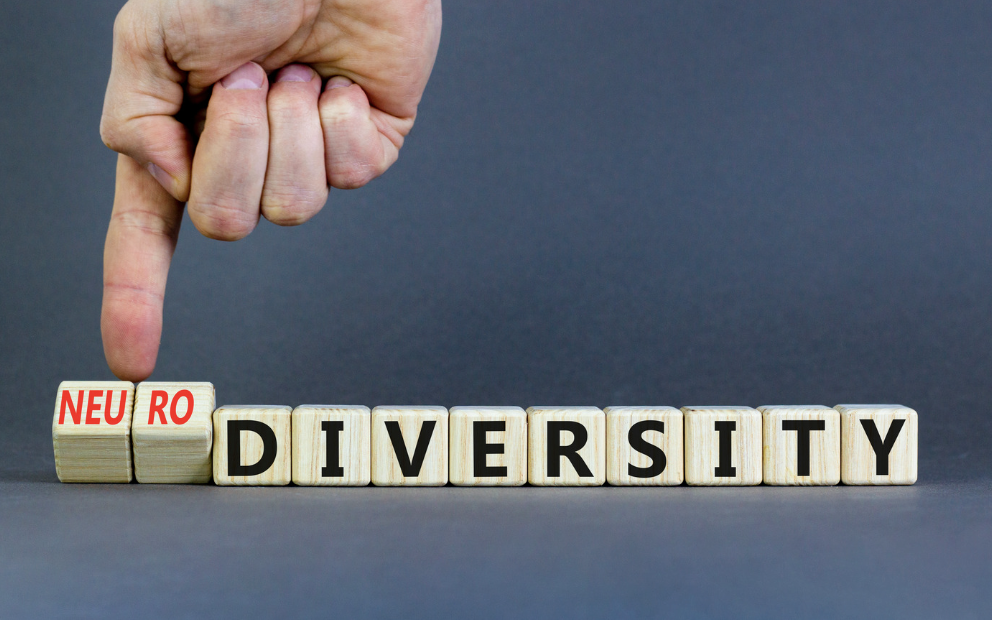
Neurodiversity is a concept that recognizes and celebrates the natural variation in the human brain and its functioning. It encompasses a range of neurological conditions, including autism, ADHD, dyslexia, and more. While these conditions have often been seen through a deficit-based lens, focusing on challenges and impairments, the neurodiversity movement highlights the inherent strengths and advantages that neurodiverse individuals possess. In this article, we will explore the numerous benefits of neurodiversity and shed light on how embracing and supporting neurodivergent individuals can contribute to a more inclusive and innovative society.

Unique Perspectives and Creativity:
Neurodiverse individuals often have distinct ways of perceiving and interpreting the world around them. Their unique perspectives can bring fresh insights and unconventional approaches to problem-solving. The divergent thinking and creativity exhibited by neurodivergent individuals can lead to groundbreaking ideas, innovations, and solutions that might not emerge through traditional modes of thinking.

Attention to Detail and Enhanced Focus:
Many neurodiverse individuals possess an exceptional ability to concentrate and maintain focus on specific tasks or areas of interest. Their intense concentration often allows them to notice details that others may overlook. This attention to detail can be invaluable in fields such as research, design, programming, and quality control, where precision and meticulousness are essential.

Exceptional Memory and Information Processing:
Some neurodivergent individuals possess remarkable memory skills and possess the ability to retain and process vast amounts of information. This aptitude can be a significant advantage in educational settings, as well as in professions that require extensive knowledge and expertise, such as history, medicine, and technology. Their ability to recall and connect information can contribute to insightful analysis and comprehensive problem-solving.

Pattern Recognition and Analytical Thinking:
Neurodiverse individuals often excel in recognizing patterns and making connections that may not be immediately apparent to others. Their analytical thinking skills enable them to see relationships, spot trends, and identify discrepancies that might be overlooked by neurotypical individuals. This talent for pattern recognition can be particularly beneficial in fields like mathematics, data analysis, finance, and cryptography.

Enhanced Empathy and Emotional Intelligence:
While empathy and emotional intelligence are not exclusive to neurodiverse individuals, some studies suggest that they may possess an enhanced capacity for understanding and relating to other's emotions. This heightened empathy can lead to a deep understanding of human experiences and foster an inclusive and compassionate society. Neurodiverse individuals can contribute to creating environments that value diversity, inclusion, and empathy, benefiting both individuals and communities.

Hyperfocus and Task Engagement:
Hyperfocus, a state of intense concentration on a particular task or activity, is often experienced by neurodivergent individuals. When engaged in an activity of interest, they can enter a flow state, where time seems to fly by and productivity soars. This ability to become deeply engrossed in a task can lead to remarkable achievements and high levels of performance.
Conclusion:
The advantages of neurodiversity extend far beyond the individual level, encompassing societal and professional spheres. Embracing neurodiversity means recognizing and valuing the unique strengths and perspectives that neurodivergent individuals bring to the table. By creating inclusive environments and providing support, society can harness the immense potential of neurodiversity, fostering innovation, creativity, and empathy. Let us celebrate the advantages of neurodiversity and strive for a world that embraces and uplifts every individual, regardless of their neurological differences.


