
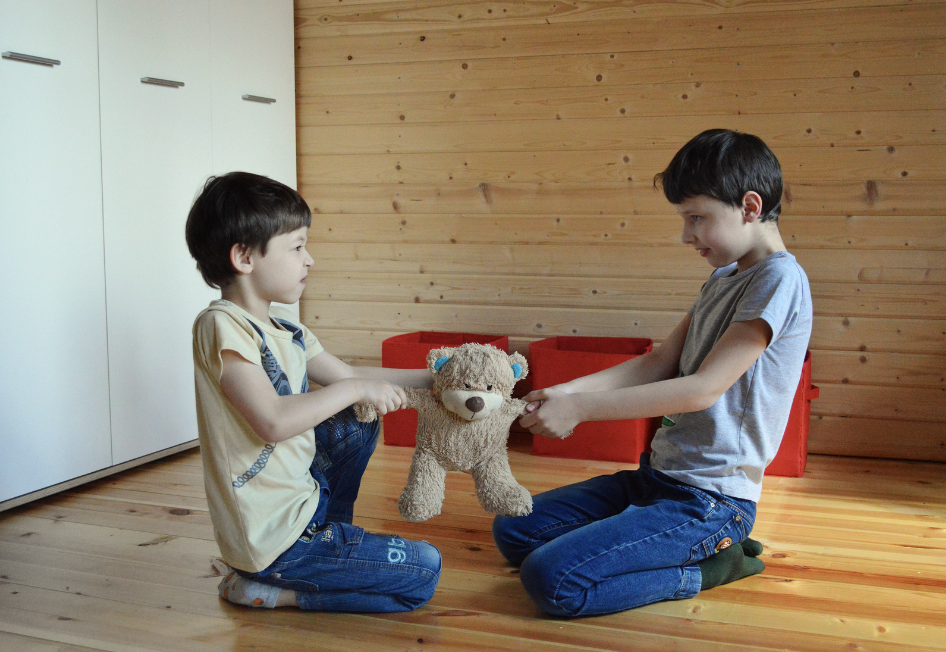
Parenting can be challenging, especially when it comes to helping children manage their emotions. Anxious or angry kids often struggle to find ways to calm themselves down, which can lead to meltdowns, tantrums, or even long-term behavioral issues. However, there are effective tools and strategies available to support children in regulating their emotions and finding a sense of calm. In this article, we will explore various calming tools that can be beneficial for anxious or angry kids, helping them navigate their emotions more effectively.

Deep Breathing Exercises:
Deep breathing exercises are simple yet powerful techniques that can significantly help children manage their anxiety or anger. Teach your child to take slow, deep breaths in through their nose, hold the breath for a few seconds, and then exhale slowly through their mouth. Encourage them to visualize their breath as a wave, filling their body with calmness and gradually releasing any tension or negative emotions.

Sensory Tools:
Sensory tools can provide a helpful outlet for children to redirect their focus and regulate their emotions. Consider introducing sensory objects such as stress balls, squishy toys, or textured items that they can squeeze or manipulate. Engaging with sensory tools can offer a soothing and grounding experience, helping children shift their attention away from their anxiety or anger.

Mindfulness and Meditation:
Practicing mindfulness and meditation can greatly benefit anxious or angry children by promoting self-awareness and teaching them to be present in the moment. Encourage your child to sit quietly, close their eyes, and focus on their breath or a calming visual image. Guided meditation apps or recordings designed specifically for children can be excellent resources to introduce these practices in an engaging and age-appropriate manner.

Emotional Expression through Art:
Art can be an incredible outlet for children to express their emotions when words may fail them. Provide your child with art supplies like crayons, markers, or paints, and encourage them to create freely. This process allows them to externalize their feelings and gain a better understanding of their emotions. It also serves as a means of communication, giving you an opportunity to discuss and validate their experiences.

Physical Activity and Exercise:
Engaging in physical activity can be an effective way for kids to release pent-up energy and manage their anxiety or anger. Encourage your child to participate in activities they enjoy, such as riding a bike, dancing, playing a sport, or practicing yoga. Regular exercise not only promotes physical well-being but also helps to alleviate stress and promote a sense of calmness.

Creating a Calm-down Corner:
Designate a specific area in your home as a calm-down corner, a safe and peaceful space for your child to retreat to when they need a break. Fill this space with soft pillows, cozy blankets, and a few comforting items like books or stuffed animals. Teach your child that this is their special spot to relax, reflect, and regain control of their emotions.

Establishing Routines and Predictability:
Children thrive on routines and predictability, which can help reduce anxiety and prevent outbursts. Create consistent daily schedules that provide structure and reassurance. Ensure that your child has a regular sleep routine, nutritious meals, and designated times for play and relaxation. Knowing what to expect can significantly reduce their stress levels and promote emotional stability.
Conclusion:
Helping anxious or angry children find effective ways to calm themselves is a valuable skill that can benefit them throughout their lives. By incorporating calming tools such as deep breathing exercises, sensory objects, mindfulness, art expression, physical activity, and establishing routines, parents can support their children in managing their emotions and fostering a sense of peace and well-being. Remember, each child is unique, so it's essential to explore different techniques and find the ones that resonate best with your child's needs. With patience, understanding, and consistent practice, you can empower your child to navigate their emotional world with confidence and resilience.


