
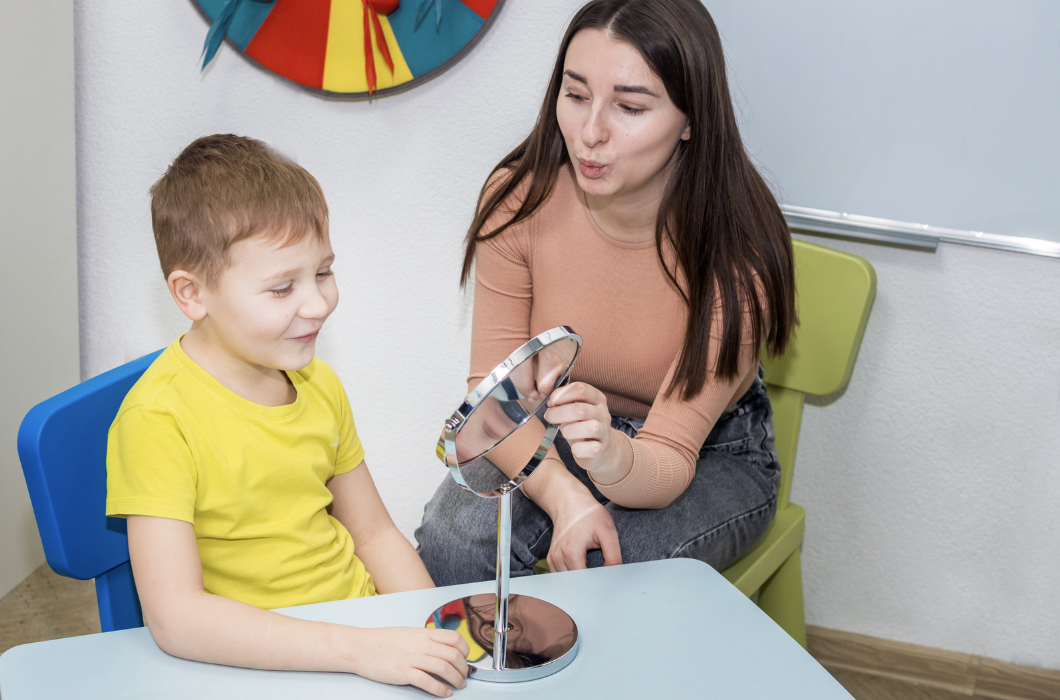
Communication is a fundamental skill that plays a vital role in our daily lives. For children with language delays, however, acquiring effective communication skills can be a challenging journey. Language delays can significantly impact a child's ability to express themselves, understand others, and interact socially. Fortunately, there are various strategies and techniques that parents, caregivers, and educators can employ to support and enhance communication development in children facing these challenges. In this article, we will explore practical ways to build communication skills in children with language delays, fostering their growth and facilitating meaningful connections with others.

Early Identification and Intervention:
Early identification of language delays is crucial for effective intervention. Parents and caregivers should be attentive to signs such as limited vocabulary, difficulty understanding or following instructions, and struggles with pronunciation or word retrieval. If concerns arise, seeking professional guidance from speech-language pathologists or pediatricians is recommended. Early intervention programs can provide tailored strategies to address specific language difficulties, allowing children to start building their communication skills as soon as possible.

Create a Language-Rich Environment:
Surrounding children with a language-rich environment is essential for their language development. Engage in frequent conversations, narrate daily activities, and provide exposure to a variety of vocabulary. Reading books together, singing songs, and playing interactive games that encourage verbal communication are also beneficial. Visual aids such as pictures, flashcards, and gestures can assist in reinforcing understanding and bridging communication gaps.

Utilize Augmentative and Alternative Communication (AAC) Systems:
Augmentative and Alternative Communication (AAC) systems can be immensely helpful for children with significant language delays. These systems include tools like picture exchange communication systems (PECS), communication boards, and speech-generating devices. AAC enables children to express their needs, desires, and thoughts using visual symbols or technological aids. Working with a speech-language pathologist or AAC specialist can guide parents and educators in implementing appropriate AAC strategies tailored to the child's needs.

Encourage Social Interaction:
Social interaction plays a vital role in communication development. Encouraging children with language delays to interact with peers and engage in social activities is beneficial. Organize playdates, enroll them in group activities or clubs, and facilitate opportunities for collaboration and conversation. Additionally, teaching turn-taking, active listening, and non-verbal communication skills can enhance their overall communication abilities.

Incorporate Multisensory Learning:
Children with language delays often benefit from multisensory learning experiences. Combining visual, auditory, and tactile stimuli can enhance their understanding and retention of information. Use visual aids, gestures, and props to support verbal instructions or explanations. Incorporate sensory play activities, such as sand or water play, to engage multiple senses and promote language development through hands-on experiences.

Practice Patience and Active Listening:
Patience and active listening are essential when supporting children with language delays. Allow them ample time to process information and formulate their responses. Show genuine interest in what they have to say, maintain eye contact, and use encouraging body language. Responding attentively to their attempts at communication reinforces their confidence and encourages further progress.

Collaborate with Professionals:
Collaborating with professionals, such as speech-language pathologists, educators, and support groups, can provide invaluable guidance and resources. These experts can offer individualized strategies, monitor progress, and suggest additional interventions when necessary. Working as a team will optimize the child's communication development and ensure consistency in their support network.
Conclusion:
Building communication skills in children with language delays requires a multifaceted approach that combines early identification, intervention, and a language-rich environment. By implementing strategies such as AAC systems, promoting social interaction, and incorporating multisensory learning, parents, caregivers, and educators can support children in overcoming their language challenges. Remember, each child is unique, and progress may vary. With patience, understanding, and the right support system, children with language delays can thrive and develop effective communication skills, empowering them to connect with the world around them.


