
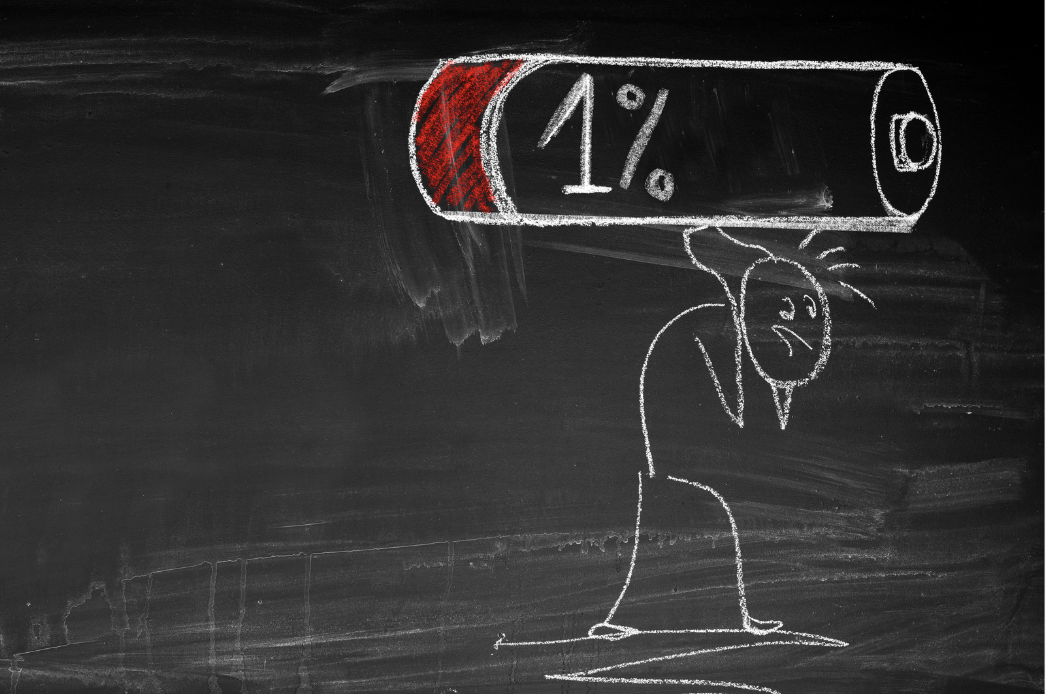
Navigating life with autism brings both unique strengths and challenges. One of the lesser-discussed challenges is the phenomenon known as "autistic burnout." This often-misunderstood aspect of autism can manifest in various ways, impacting individuals on multiple levels. Let's delve into what autistic burnout can look like and gain a deeper understanding of its effects.

1. Physical Exhaustion and Fatigue: Autistic burnout can manifest as extreme physical exhaustion and fatigue. The sensory sensitivities that are common among autistic individuals can contribute to overwhelming fatigue. Everyday stimuli like lights, sounds, and textures can become overwhelming, draining the individual's energy reserves and leaving them feeling physically drained.

2. Sensory Overload and Shutdowns: Sensory overload is a hallmark of autism, and during a burnout period, this overload can intensify. Individuals might experience a heightened sensitivity to sensory stimuli, making it challenging to engage with the world around them. In response, they might have sensory shutdowns, retreating into themselves as a way to cope with the overwhelming input.

3. Communication Difficulties: Autistic burnout can lead to difficulties in communication, even for those who are typically proficient in verbal or nonverbal communication. Expressing thoughts and emotions might become a struggle due to mental exhaustion and the increased effort required to process information.

4. Loss of Skills and Regression: One distressing aspect of autistic burnout is the potential loss of skills. Individuals who have worked hard to develop coping mechanisms and life skills may suddenly find themselves unable to perform tasks they once mastered. This regression can be frustrating and disheartening, contributing to feelings of isolation and inadequacy.

5. Emotional Dysregulation: The emotional toll of autistic burnout can be significant. Individuals may experience heightened levels of anxiety, depression, and mood swings. The inability to manage emotions effectively can further exacerbate burnout and make it challenging to maintain relationships and engage in daily activities.

6. Cognitive Fatigue: Cognitive fatigue is another common aspect of autistic burnout. Complex tasks that once seemed manageable may become overwhelming. The ability to concentrate, make decisions, and process information can be compromised, leading to difficulties at work, school, or in personal endeavors.

7. Social Withdrawal: Burnout can also lead to social withdrawal. Engaging with others might become draining, and the desire for solitude can increase. This withdrawal is not a reflection of a lack of interest in social interactions, but rather a way to conserve energy and recuperate.

8. Challenges with Routine and Change: Autistic individuals often thrive on routines and predictability. During a burnout phase, even minor disruptions to routines or unexpected changes can be exceptionally distressing. This can lead to heightened anxiety and a sense of feeling unmoored.

9. Physical Symptoms: Physical symptoms such as headaches, digestive issues, and sleep disturbances can also be manifestations of autistic burnout. The mind-body connection is strong, and the toll of burnout can be felt in various ways throughout the body.
Recognizing the signs of autistic burnout is essential for both individuals on the spectrum and those who support them. It's important to remember that autistic burnout is not a sign of weakness or failure. Rather, it's a natural response to the unique challenges that come with autism. Creating a supportive environment and allowing for periods of rest and recuperation can go a long way in helping individuals manage and recover from burnout. Through understanding and empathy, we can collectively work towards fostering a more inclusive and compassionate society for everyone, regardless of their neurodiversity.


